

Engine Overview
As is well known, the engine is the power source of a car. The power of the engine comes from within the cylinders. The engine cylinder is a place where the internal energy of the fuel is converted into kinetic energy.
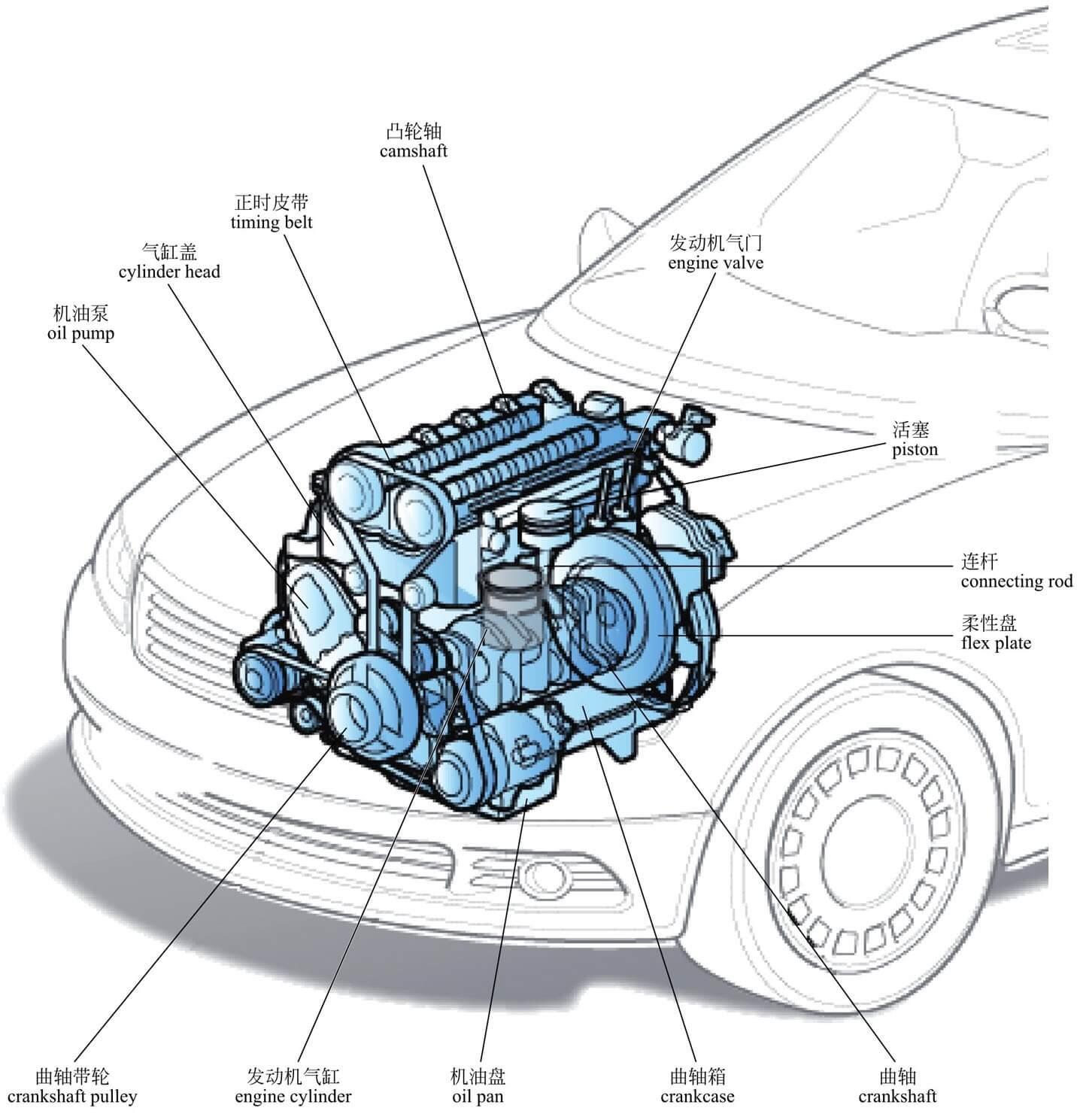
Engine
It can be simply understood as follows: fuel burns inside the cylinder, generating huge pressure to drive the piston to move up and down. The force is transmitted to the crankshaft through the connecting rod. Eventually, it is converted into rotational motion and then transmitted to the driving wheels through the transmission and the drive shaft, thereby propelling the car forward.
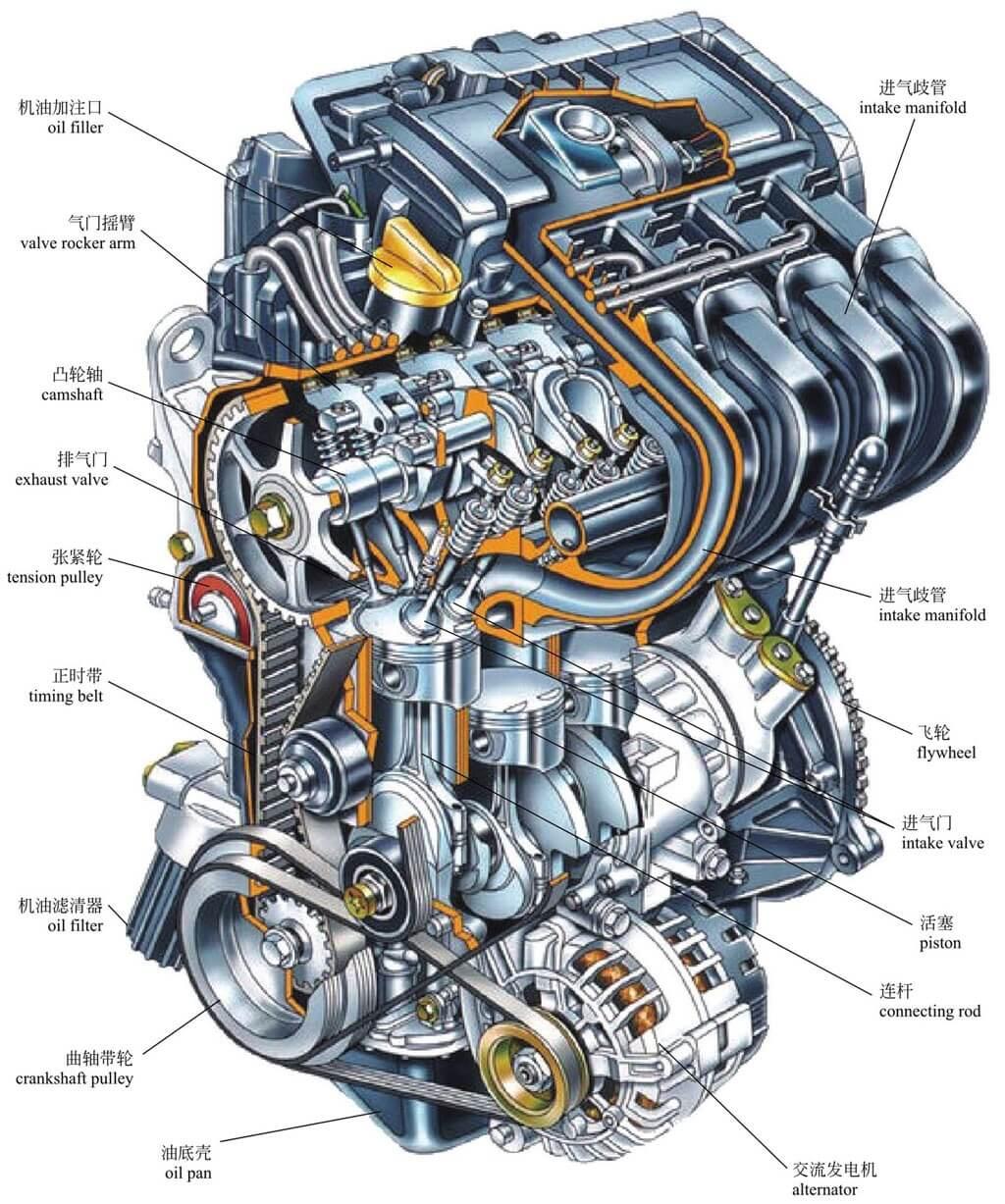
Engine section view
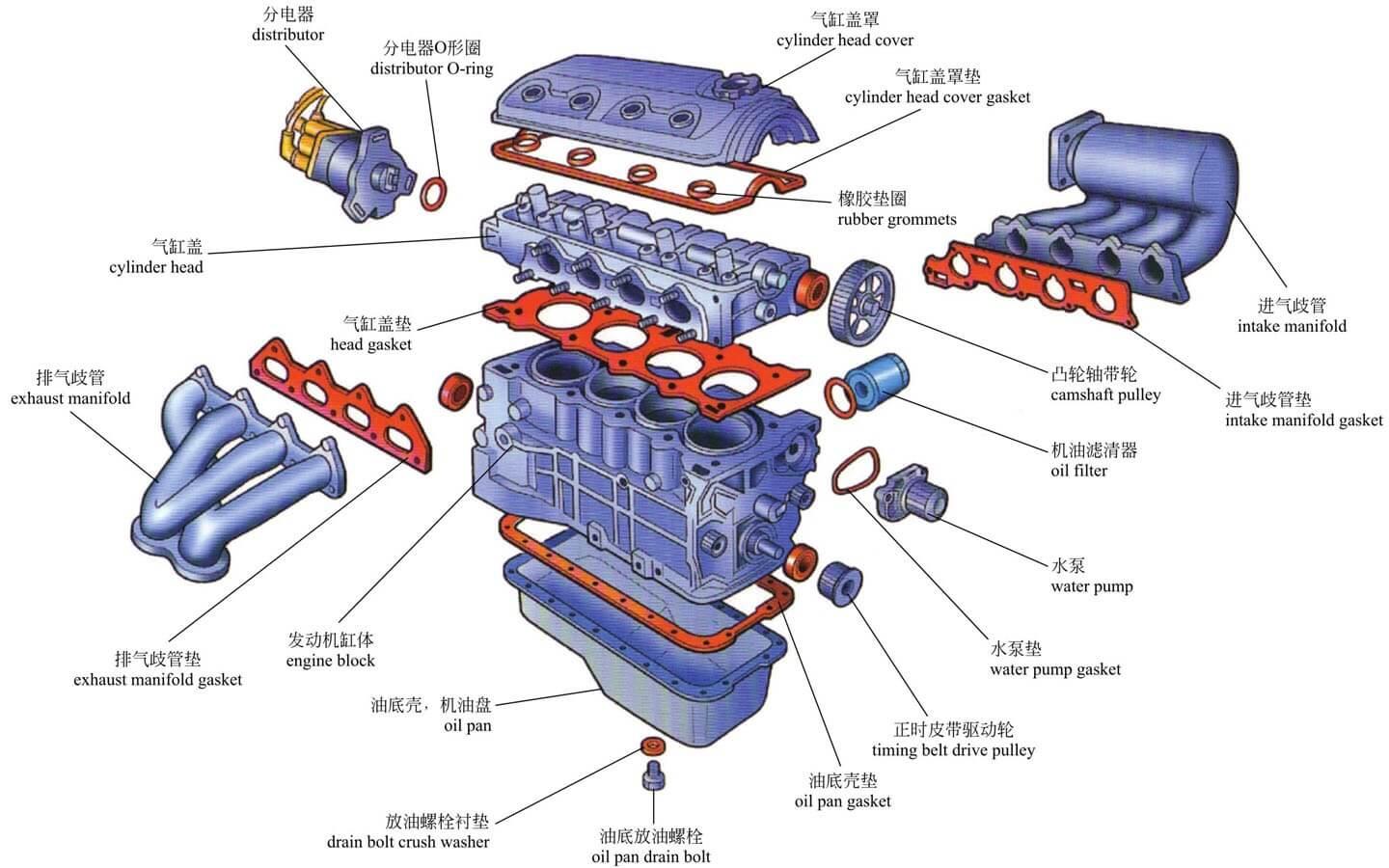
Engine disassembly diagram
Engine type
Gasoline engine
A gasoline engine is an engine that uses gasoline as fuel. Due to the low viscosity and fast evaporation of gasoline, it can be injected into the cylinder through a gasoline injection system. After compression to a certain temperature and pressure, it is ignited by a spark plug to cause the gas to expand and do work.
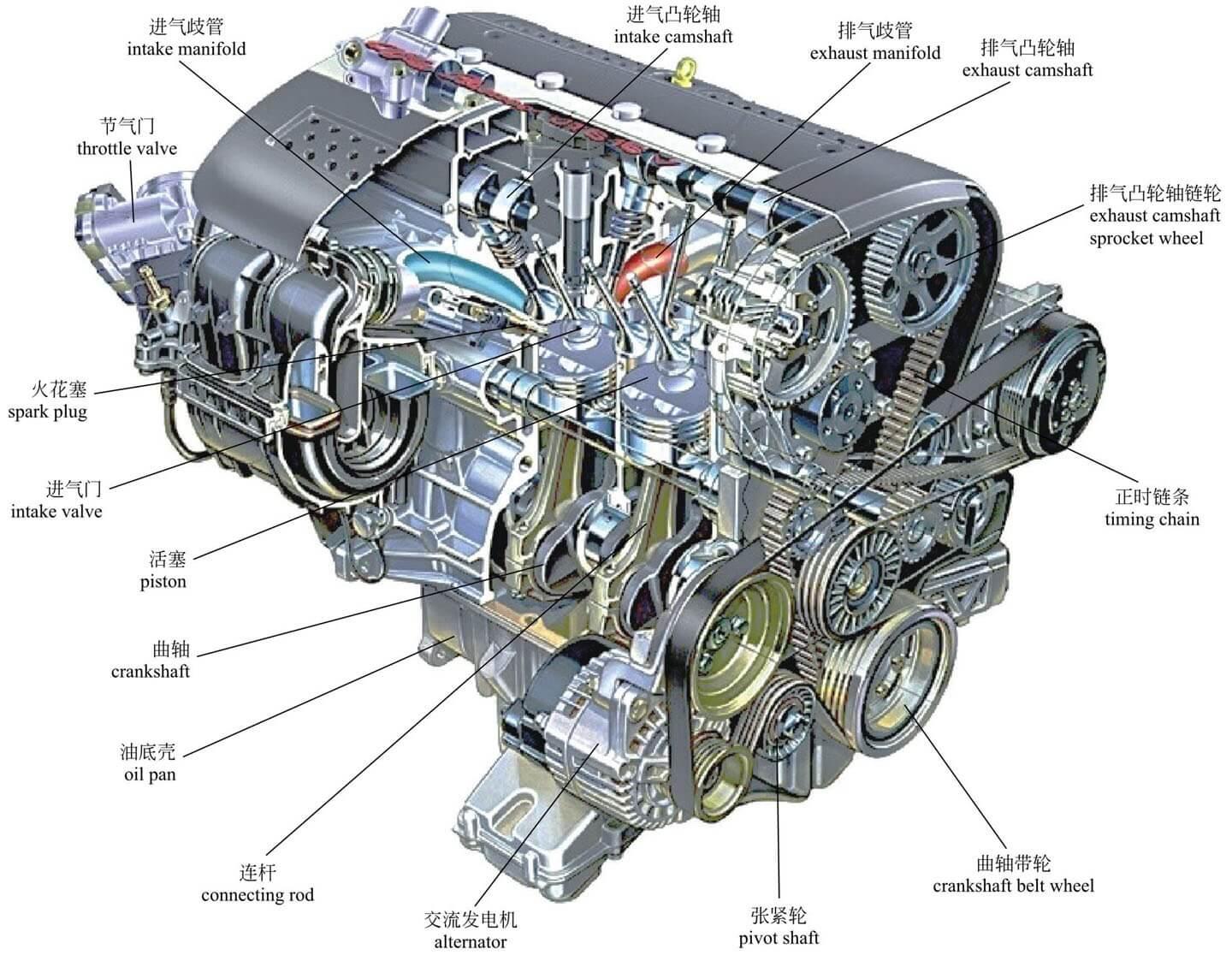
Sectional view of gasoline engine
Diesel engine
A diesel engine is an engine that obtains energy release by burning diesel. Different from a gasoline engine, a diesel engine directly injects diesel into the cylinder that is already filled with compressed air. The compression ignites the diesel directly, and the ignition is achieved by the current of the spark plug.
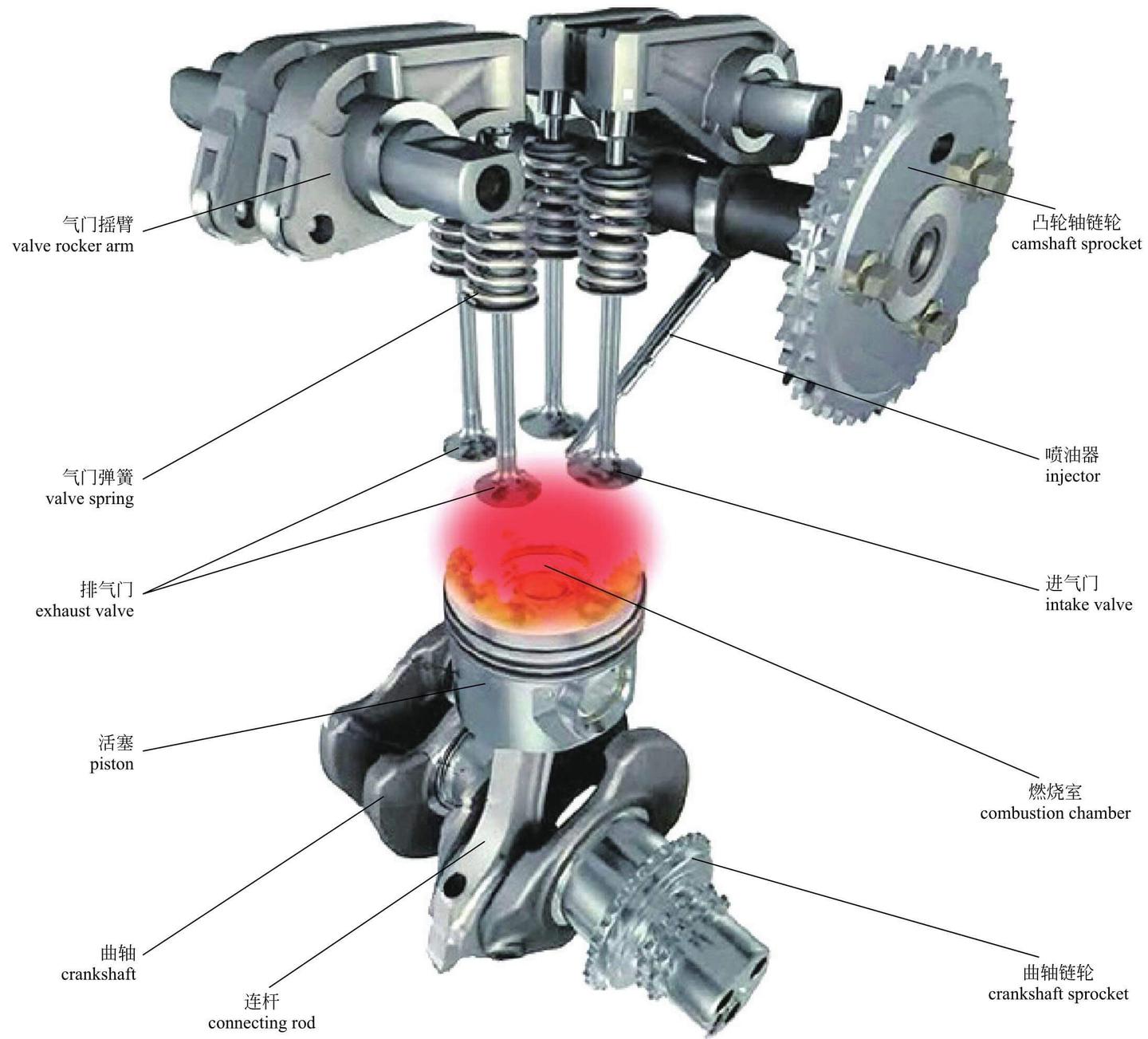
Construction of Diesel Engine
Rotary Engine
The rotary engine is also known as Miller Cycle Engine. Its piston is a flat triangular shape, the cylinder is a flat box, and the piston is eccentrically installed in the cavity.
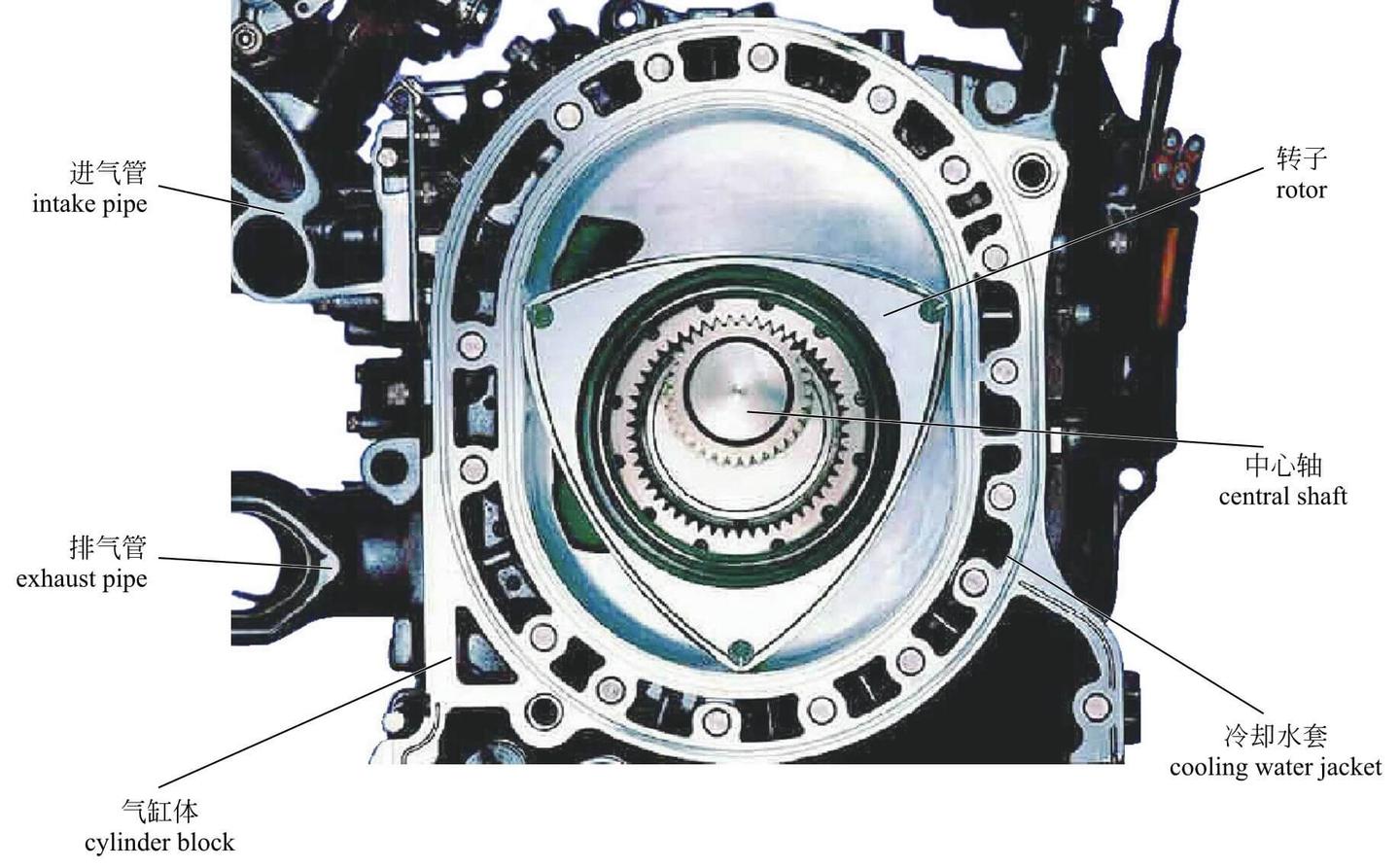
Rotor mechanism structure
The expansion force generated by gasoline combustion acts on the side surface of the rotor, thereby pushing one of the three surfaces of the triangular rotor towards the center of the eccentric shaft. Under the action of centripetal force and tangential force, the piston performs a planetary rotation motion in the cylinder.
Overall Construction of the Engine
The gasoline engine is composed of two major mechanisms and five systems, namely the crank-connecting rod mechanism, the valve-regulating mechanism, the fuel supply system, the lubrication system, the cooling system, and the starting system; the diesel engine is composed of two major mechanisms and four systems, namely the crank-connecting rod mechanism, the valve-regulating mechanism, the fuel supply system, the lubrication system, and the cooling system. The diesel engine is compression ignition type and does not require a spark ignition system.
Crank connecting rod mechanism
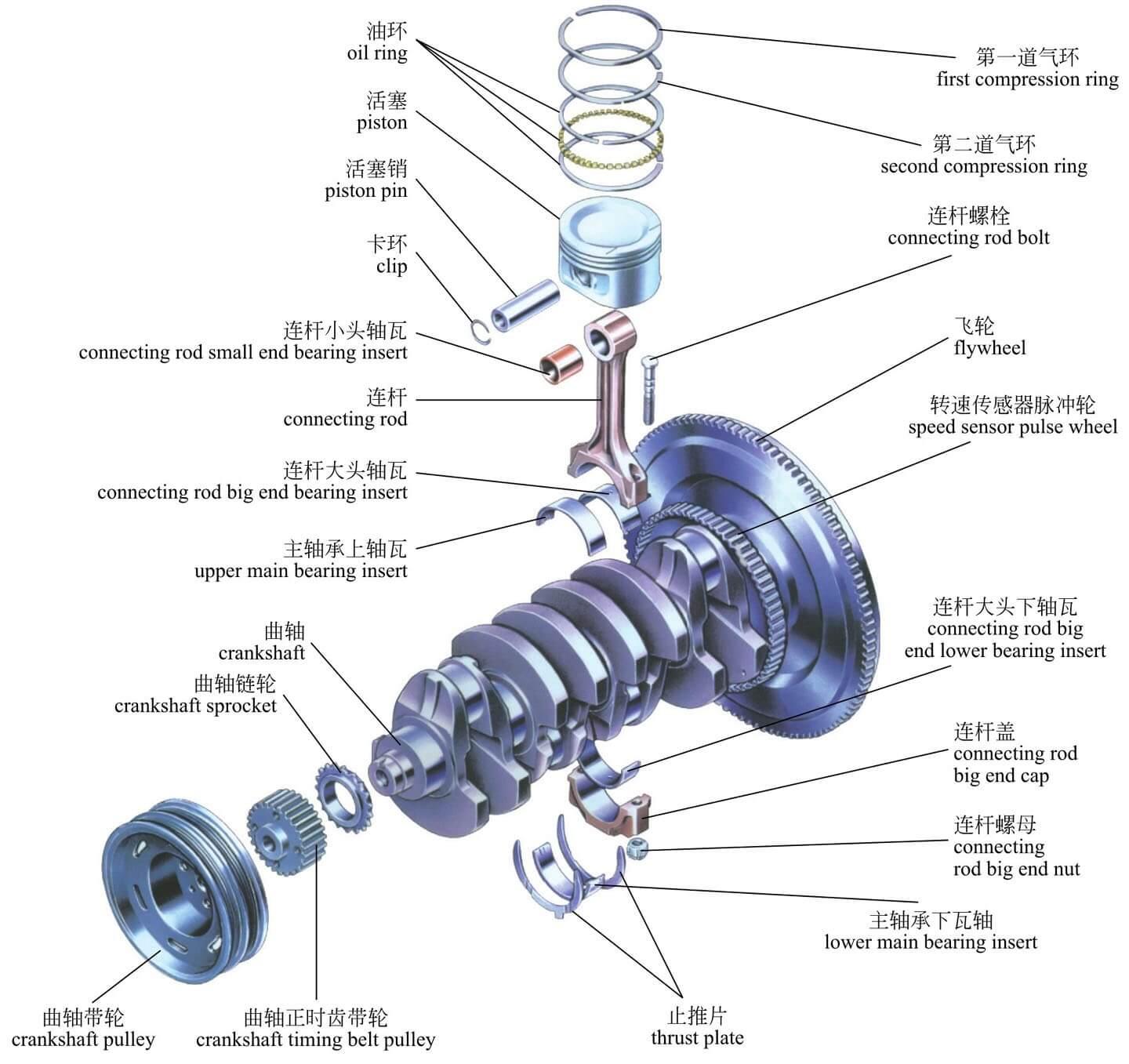
Crank connecting rod mechanism
The crankshaft-rod mechanism is the main moving component of an engine for realizing the working cycle and completing the energy conversion. It is composed of the engine block assembly, the piston-rod assembly and the crankshaft-flywheel assembly, etc.
Intake and exhaust mechanism
The function of the valve train is to open and close the intake valves and exhaust valves at the right time according to the working sequence and process of the engine, so that the combustible mixture or air can enter the cylinder and the exhaust gas can be discharged from the cylinder, thus realizing the process of air exchange.
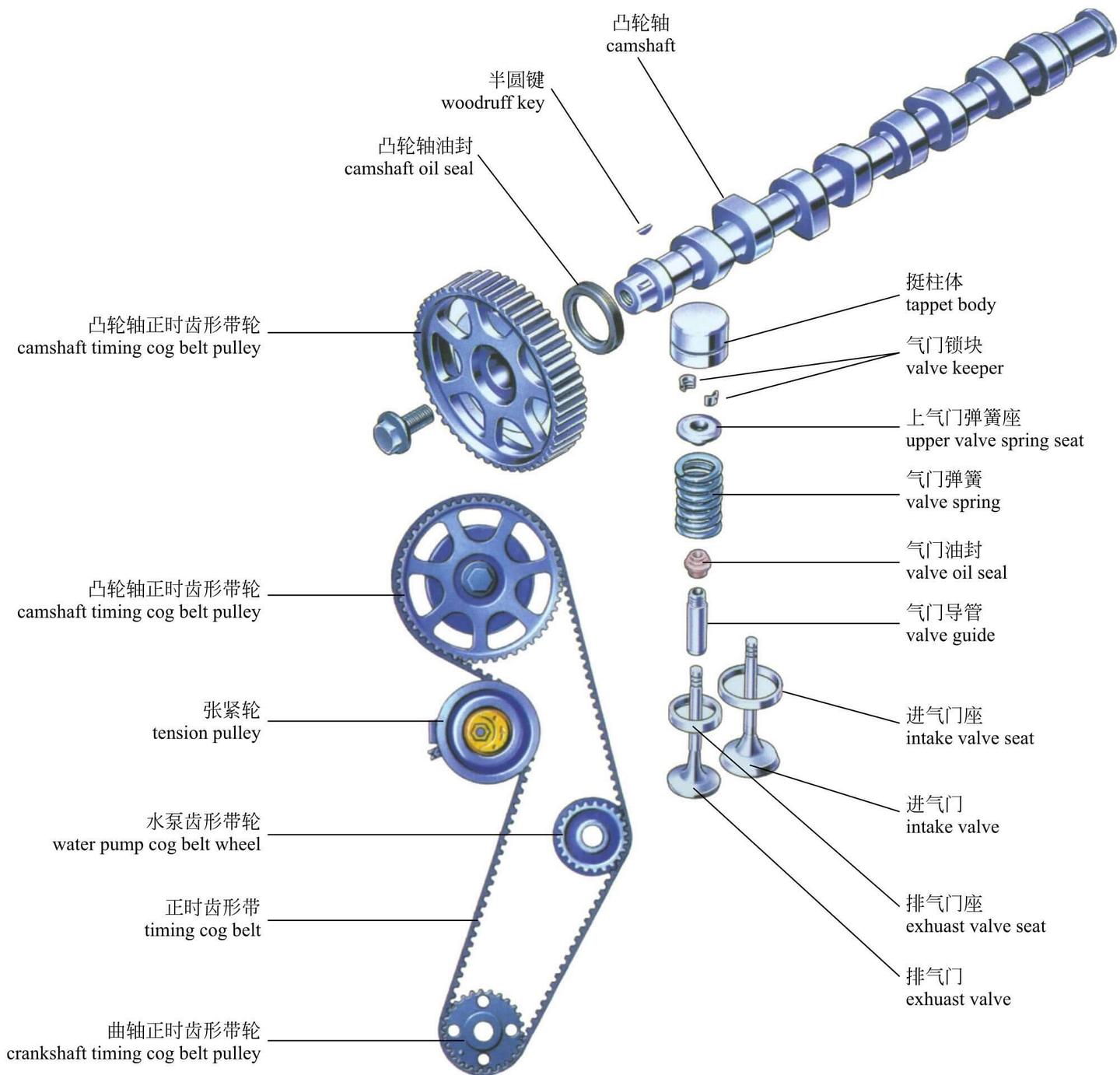
Intake and exhaust mechanism
Cooling system
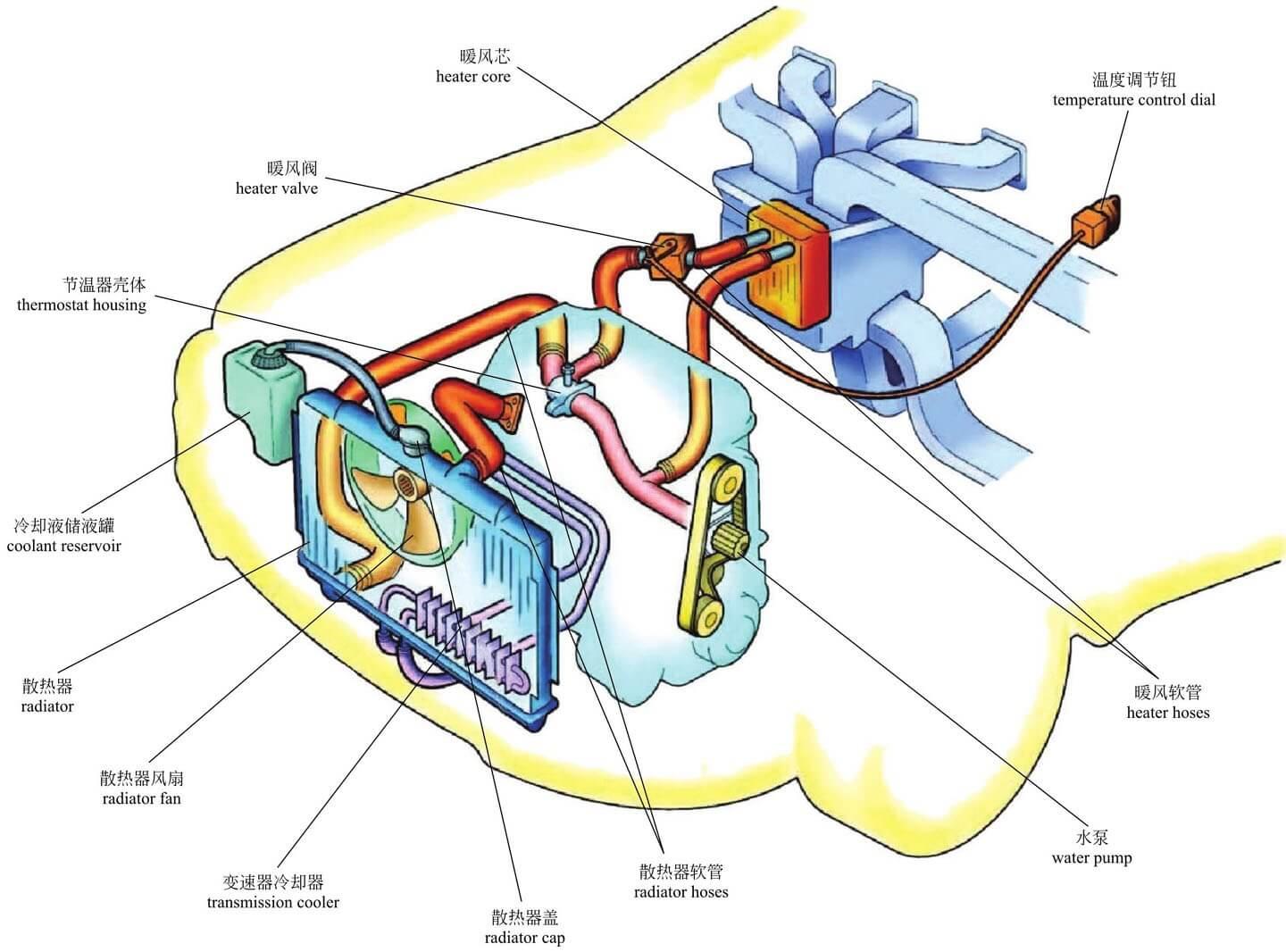
Decomposition diagram of the cooling system
The function of the cooling system is to promptly dissipate the heat absorbed by the heated parts, ensuring that the engine operates under the most suitable temperature conditions.

Working Principle of Cooling System (Animated Diagram)
Fuel Supply System
The function of the gasoline engine fuel supply system is to prepare a certain amount and concentration of mixture according to the requirements of the engine, and then supply it to the cylinder. After combustion, the exhaust gas is discharged from the cylinder to the atmosphere. The function of the diesel engine fuel supply system is to introduce diesel and air separately into the cylinder, form a mixture in the combustion chamber and burn it, and finally discharge the exhaust gas.
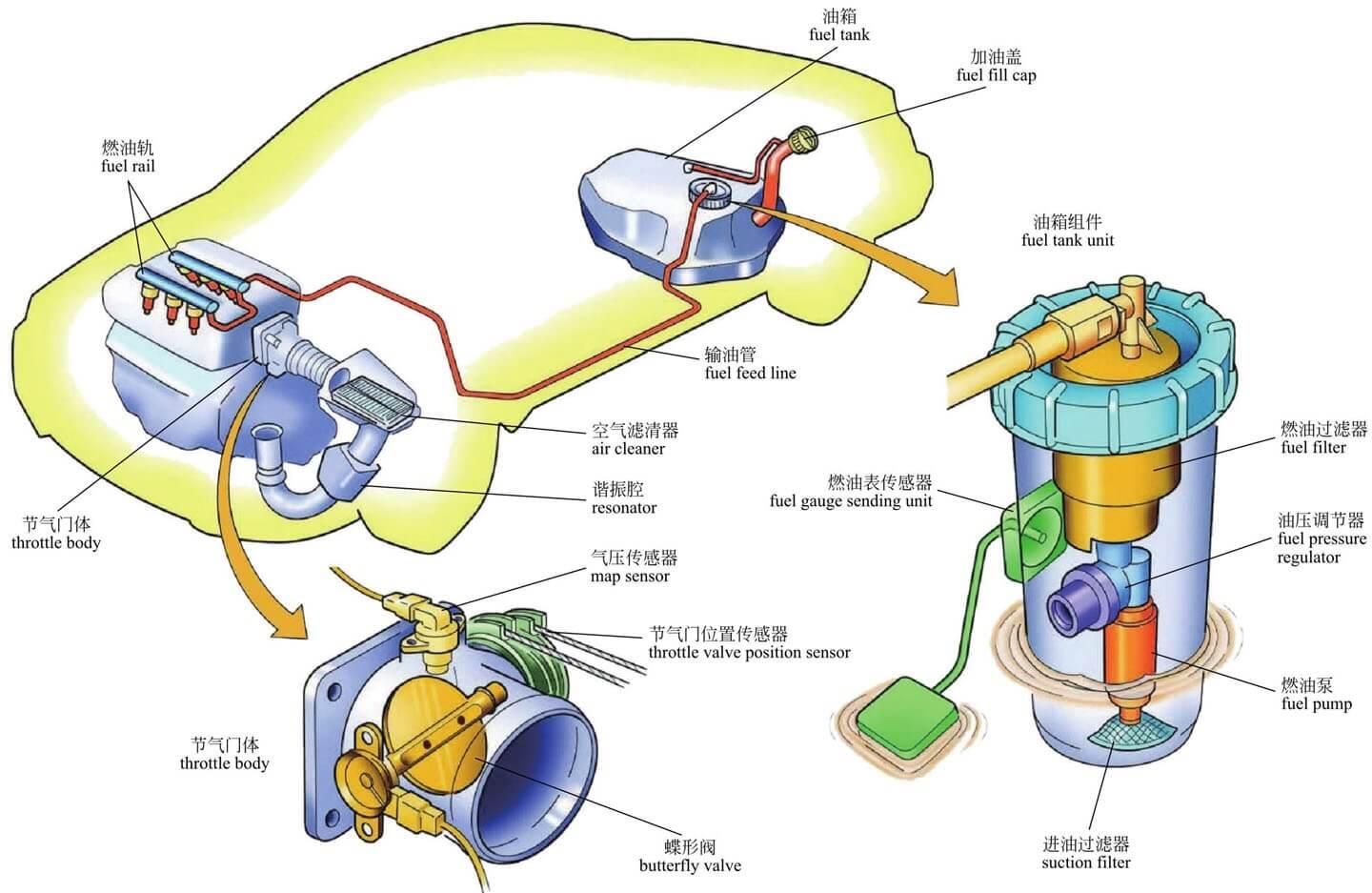
Fuel supply system

Working Principle of Fuel System (Animated Diagram)
Lubrication System
The function of the lubrication system is to supply a certain amount of clean lubricating oil to the surfaces of the parts that are in relative motion, thereby reducing friction resistance, alleviating wear of the components, and cleaning and cooling the surfaces of the parts.
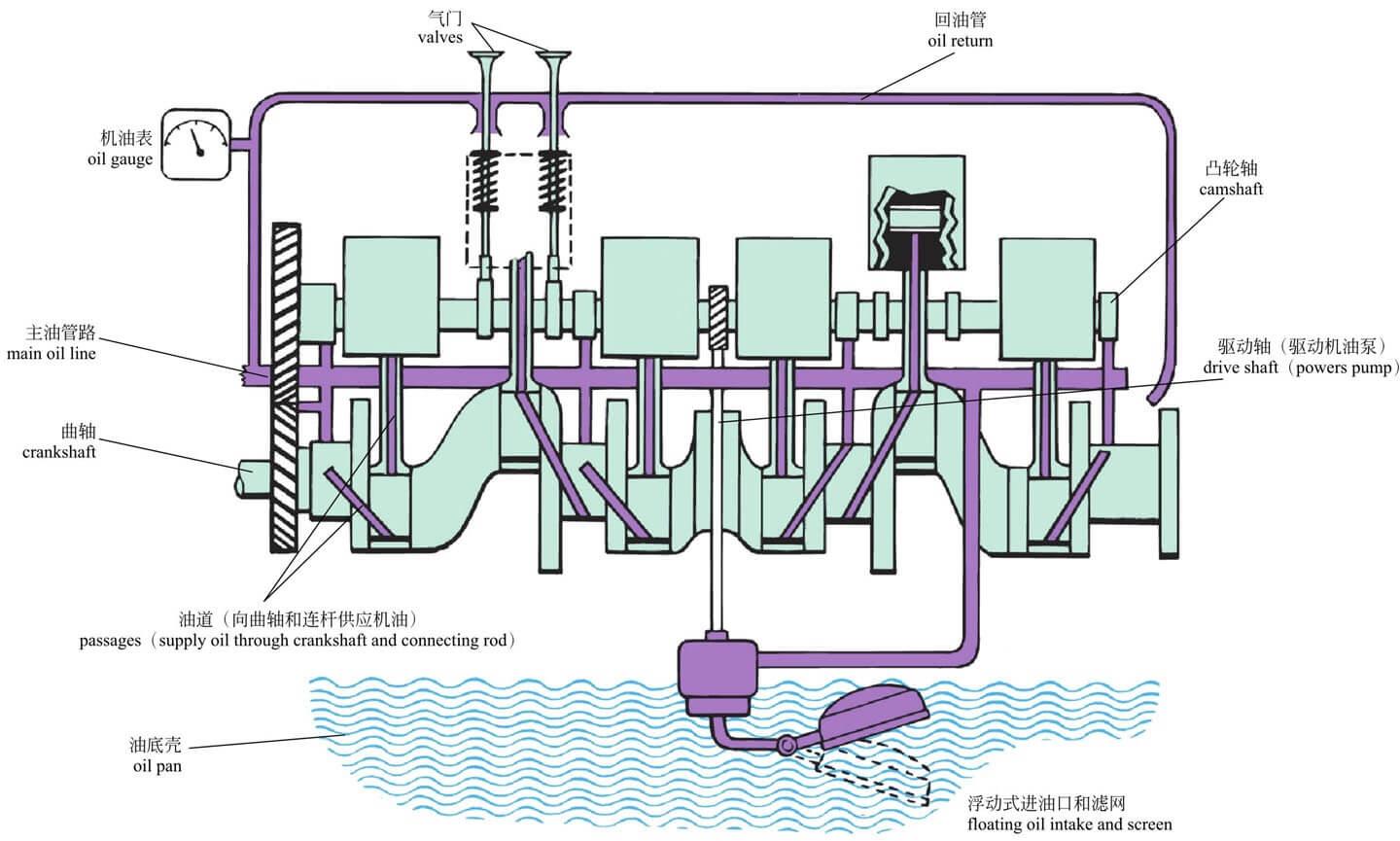
Lubrication system
Ignition system
In gasoline engines, the combustible mixture in the cylinders is ignited by an electric spark. Therefore, a spark plug is installed on the cylinder head of the gasoline engine, with the head of the spark plug extending into the combustion chamber. All the equipment that can generate an electric spark between the electrodes of the spark plug at the right time is called the ignition system. The ignition system is usually composed of a battery, a generator, a distributor, an ignition coil and a spark plug.
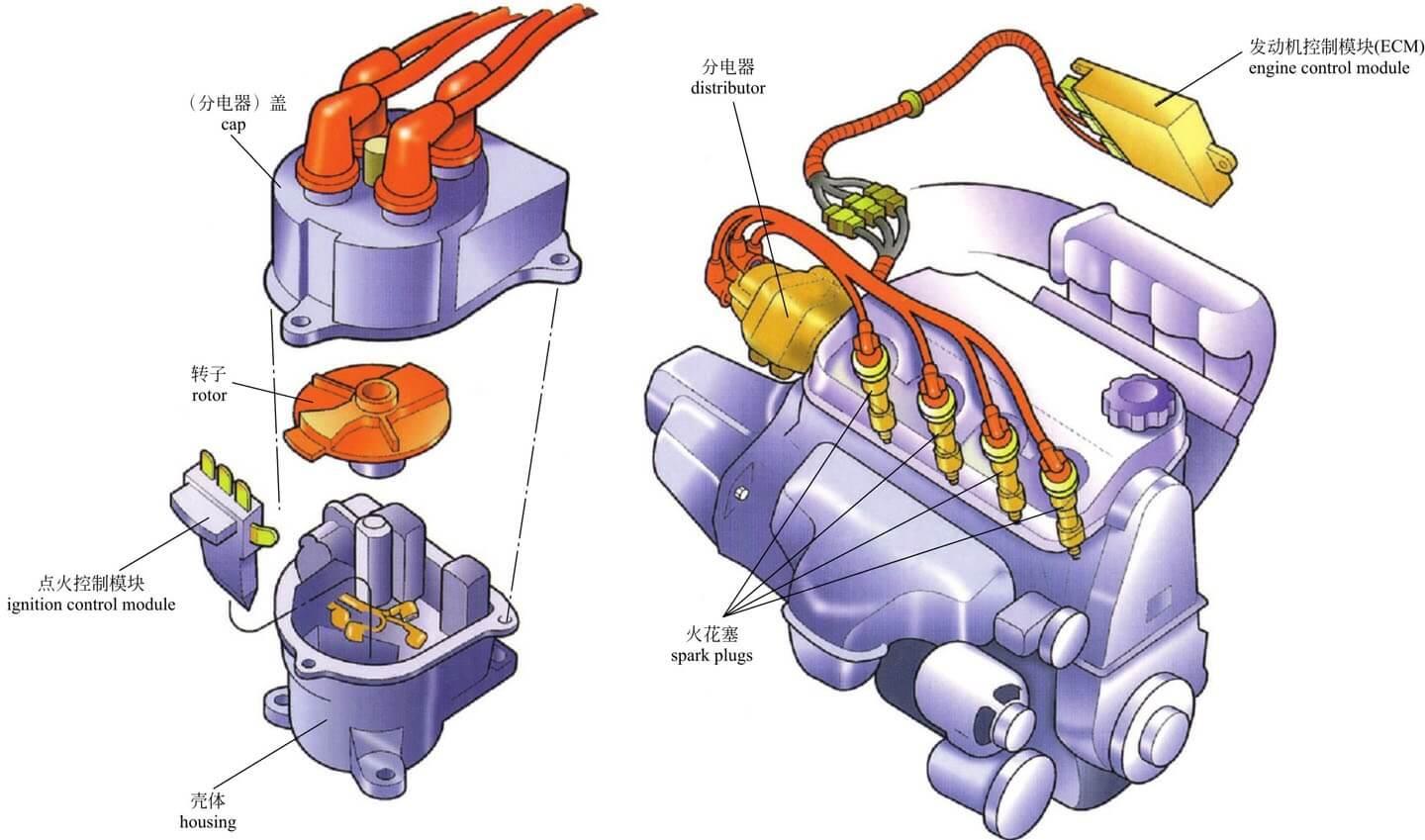
Ignition system
The starting system and charging system
The starting system consists of the battery, ignition switch, starting relay, starter motor, etc. The function of the starting system is to convert the electrical energy of the battery into mechanical energy through the starter motor to start the engine running.
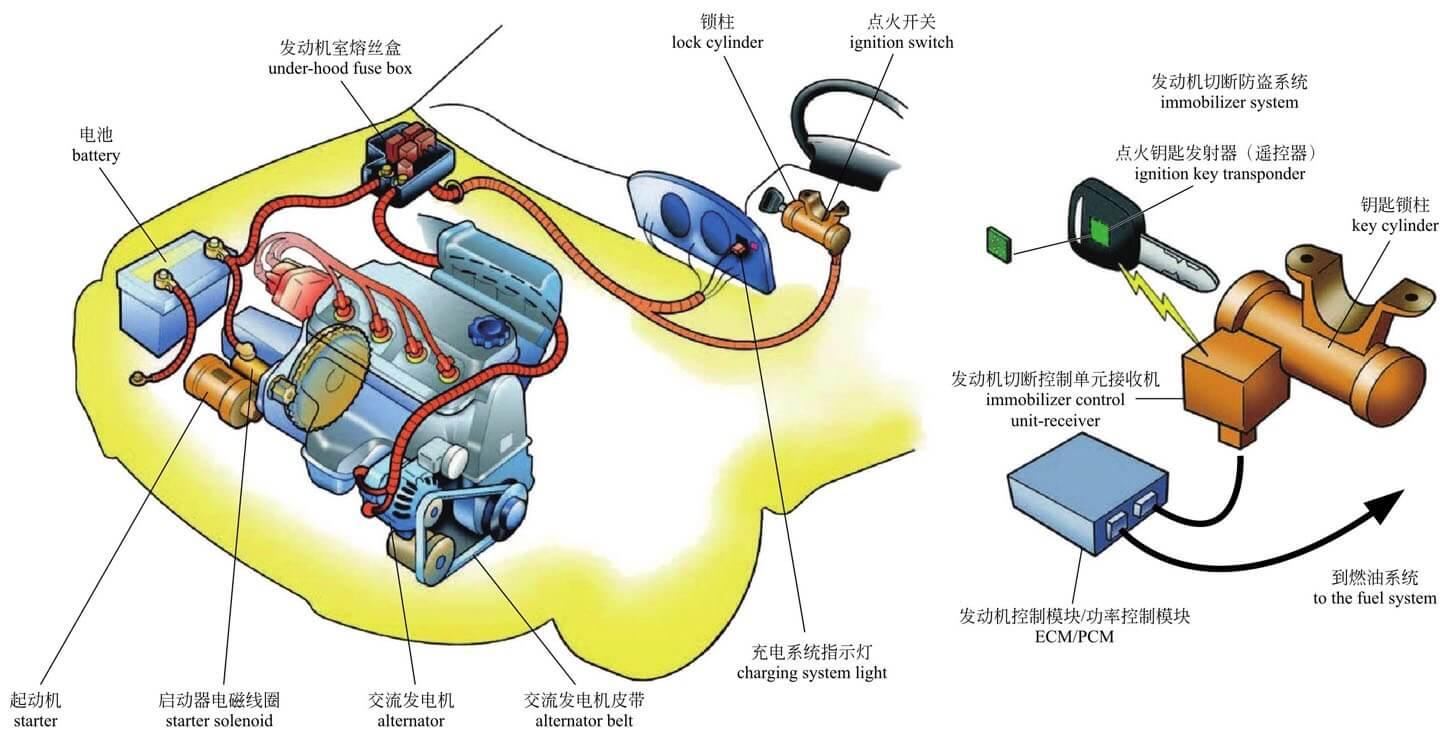
Start the system and the charging system.
The charging system is composed of a generator, a regulator, a battery and a charging indicator light, etc. It is the power source for automotive electrical equipment.