

The high-pressure fuel pump is an important component of the automotive fuel system, responsible for transporting fuel from the tank to the engine. Its main function is to pressurize the fuel to a certain extent to ensure that the injector can effectively inject fuel and achieve combustion. High pressure fuel pumps are usually used in high-performance vehicles such as jet engines and turbocharged vehicles, which have the effect of improving power and fuel efficiency. The stability and reliability of its operation are crucial to the performance of the engine.
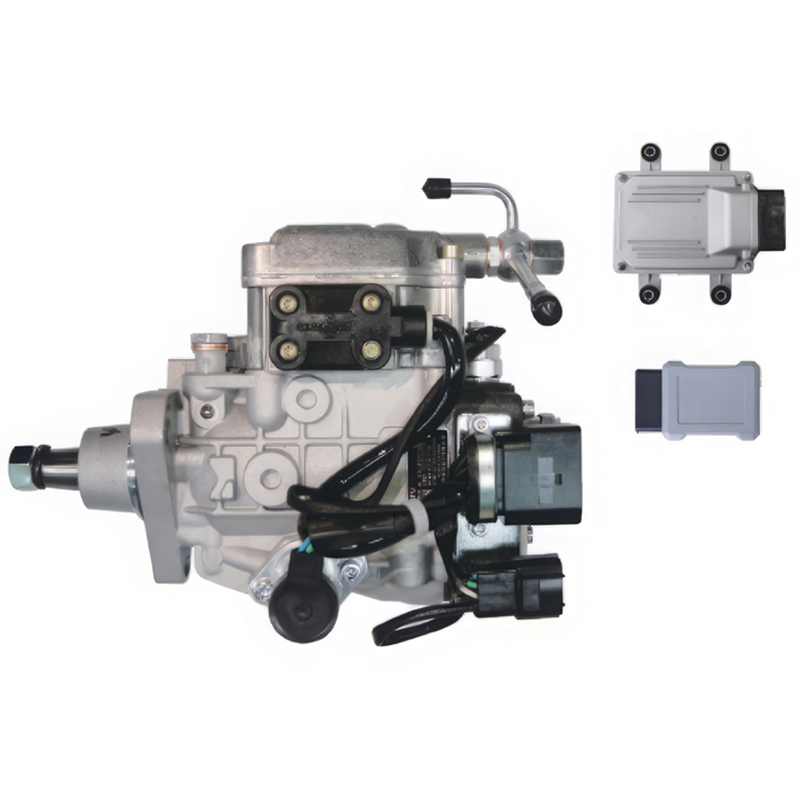
The fuel system is a vital part, directly affecting engine performance, fuel consumption and emissions. As one of the core components of the fuel system, the high-pressure fuel pump undertakes the task of transferring fuel fro
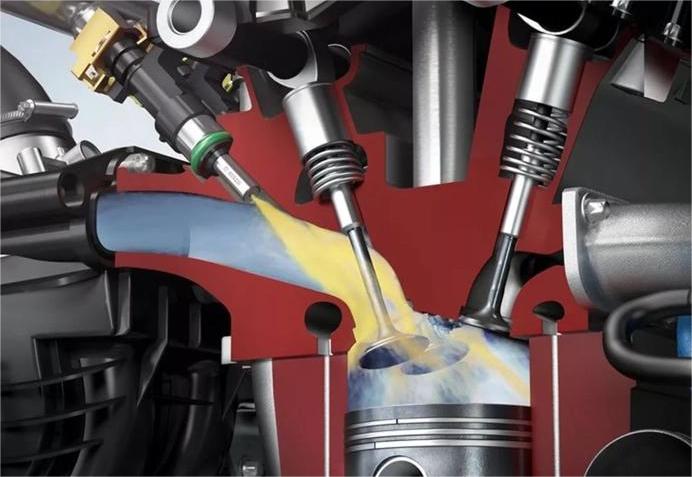 m the tank to the engine fuel nozzle. The working principle, type, importance, application and development trend of high pressure fuel pump in electric vehicle will be introduced in detail.
Working principle of high pressure fuel pump
The main function of the high-pressure fuel pump is to pressurize the fuel to ensure that the fuel can be supplied to the injection system at the required pressure and flow rate when the engine is running. Its working principle can be divided into several main steps:
- Oil suction: The high-pressure fuel pump is usually located inside the tank, using the impeller or gear of the pump to suck the fuel in the tank. This process ensures that the pump works effectively even when the amount of fuel in the tank is small.
- Pressurization: After oil absorption, the fuel is pressurized through the mechanical structure of the pump (such as gears, plungers, etc.). This process increases the pressure of the fuel to the desired operating range of the engine, typically between 200 and 500kPa, depending on the engine design and the type of fuel injection system.
- Delivery: The pressurized fuel is sent to the fuel nozzle of the engine through the delivery pipe. High pressure fuel pumps need to maintain a steady flow and pressure throughout acceleration and idling so that the engine can run smoothly.
- Feedback control: Some high-pressure fuel pumps are equipped with electronic control systems that can adjust the output fuel pressure according to the load and speed of the engine to ensure accurate and stable fuel supply.
Type of high pressure fuel pump
High pressure fuel pumps can be divided into several types according to their working principle and structure:
- Gear pump: This pump by rotating the gear to absorb oil and pressure, widely used in lower pressure fuel systems. Generally speaking, the gear pump has a simple structure and low cost, but the working efficiency under high pressure is relatively low.
- Plunger pumps: Plunger pumps use reciprocating plungers to compress fuel and are capable of producing extremely high pressures, suitable for use in high-performance automotive and diesel engines. This pump design is relatively complex, but provides greater efficiency and pressure stability.
- Turbopump: Commonly used in diesel engines and some high-performance gasoline engines, turbopump uses the turbine rotation to generate suction and pressurize fuel. The working principle of the turbine pump is simple and can maintain a good flow rate under high pressure.
- Electronic fuel pumps: Modern vehicles are increasingly using electronic fuel pumps (or electric fuel pumps), which are driven by electric motors and can adjust fuel pressure with greater accuracy and flexibility. This pump can adjust the output according to actual needs, optimizing fuel economy and engine response.
The importance of high pressure fuel pumps
High pressure fuel pump has a non-negligible impact on vehicle performance, and its main importance is reflected in the following aspects:
- Power performance: The high-pressure fuel pump provides the required fuel pressure to the engine, ensuring the optimal mix of fuel and air, thereby increasing power output and acceleration.
- Fuel economy: Precise fuel supply optimizes the combustion process, thereby improving fuel economy. Modern high pressure fuel pump through electronic control technology, according to driving conditions can actively adjust the fuel flow, reduce fuel consumption.
- Emission control: With the increasingly stringent environmental regulations, the precise control of high-pressure fuel pumps helps to reduce vehicle exhaust emissions and improve the overall environmental friendliness.
- Ensure engine stability: The stable output of the high-pressure fuel pump under different driving conditions (such as acceleration, deceleration and climbing) helps to improve the working stability of the engine and avoid stalling or idling instability.
Application and development trend of high pressure fuel pump in electric vehicle
Although electric vehicles no longer rely on internal combustion engines, high-pressure fuel pumps still play an important role in some hybrid models and certain types of electric vehicles, such as extended-range electric vehicles. In these models, the internal combustion engine still exists, so the role of the high-pressure fuel pump is still indispensable.
The development trend of high pressure fuel pump will be mainly reflected in the following aspects:
- Intelligent: With the continuous progress of automotive electronic technology, the future high-pressure fuel pump will be more intelligent, able to monitor the status of the engine in real time through sensors, automatically adjust the fuel supply strategy, improve efficiency and driving experience.
- Integrated design: The integration of high pressure fuel pumps with other fuel system components will become a trend. For example, the integration of fuel injectors and high pressure fuel pumps can reduce complex piping systems and improve the reliability of the overall fuel system.
- Adaptability of new energy models: With the promotion of renewable energy in the automotive industry, there may be new fuel pump designs in the future to accommodate the needs of hydrogen fuel cell vehicles or other new energy technologies.
- Application of environmentally friendly materials: In order to reduce the overall environmental impact of automobiles, future high-pressure fuel pumps will pursue more environmentally friendly and recyclable materials in material selection to reduce the consumption of natural resources.