

Fuel filters are essential in any vehicle and are designed to purify the fuel before it reaches critical engine parts. They are classified into three main types: diesel filters, gasoline filters, and gas filters for natural gas vehicles. Each plays a key role in preventing contaminants such as particles, water, and other impurities from entering the fuel system. By doing so, they help maintain engine efficiency, prevent mechanical wear and tear, and ensure long-term reliability.
What is a fuel filter?
The fuel filter is a device installed along the fuel line, usually between the fuel pump and the engine throttle body. Its main function is to filter out impurities such as dust, rust particles and other debris that can clog the fuel system. If these contaminants reach the engine, they can damage the injector, block the flow of fuel and reduce the overall efficiency of the engine.
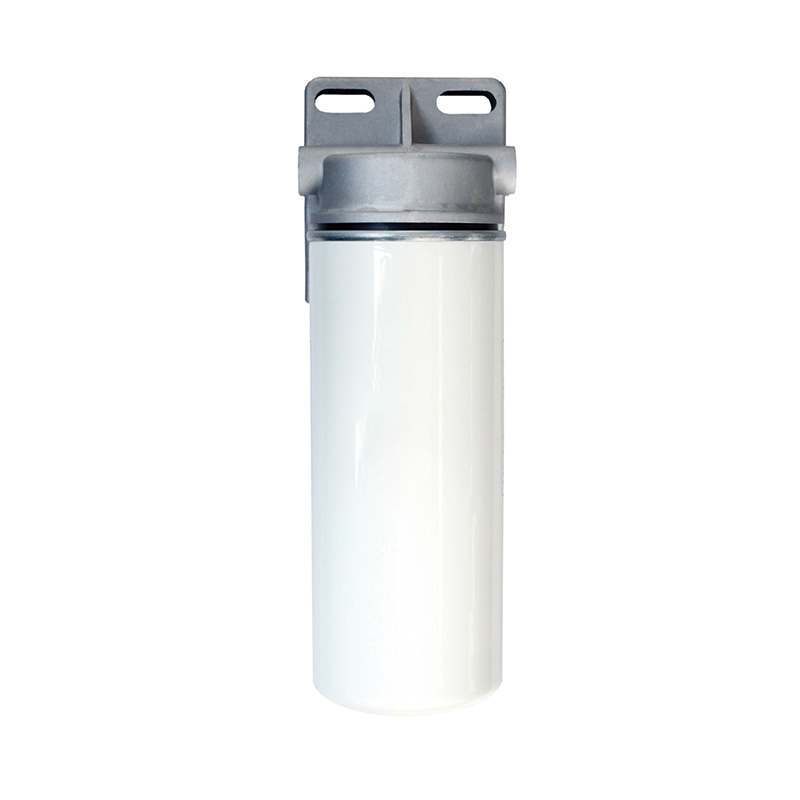
The fuel filter is made of aluminum housing with high efficiency filter paper and a pleated design to increase the filter surface area. Importantly, electronic fuel injection filters and carburetor fuel filters are not interchangeable. Because fuel injection systems operate at higher pressures (around 200-300 kPa), their filters need to withstand pressures up to 500 kPa or higher.
Diesel oil filter
Because of the complex fuel system of diesel engines, more sophisticated filtration is required. There are usually two types of diesel filters: crude oil separator and crude fuel filter.
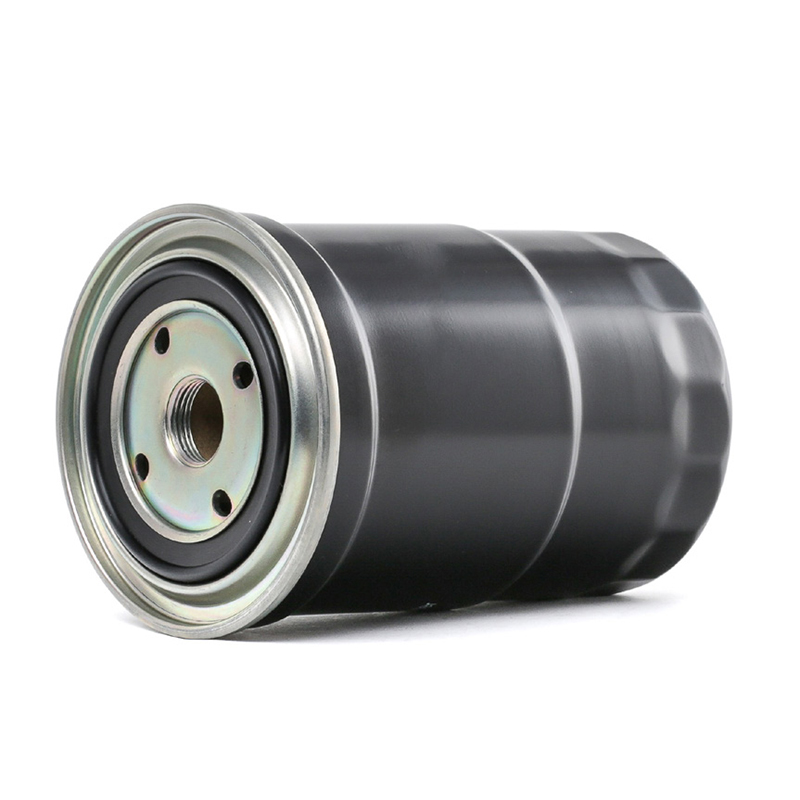
Water separator
Oil-water separators are essential for removing moisture from diesel. Water can cause significant damage to diesel engines by promoting corrosion, rust, and mechanical wear and even affecting combustion. Especially in places like China, where the sulfur content of diesel is high, water in the fuel can react with the sulfur to form sulfuric acid, which can corrode engine parts.
Fine filter for diesel engine
Fine filters remove smaller particles and impurities in diesel, typically as small as 3-5 microns. There is an increasing demand for diesel engine filtration, especially for engines that meet more stringent emission standards such as Euro 3 or higher.
Gasoline fuel filter
Gasoline filters are classified into carburetor filters and electronic fuel injection filters based on the type of engine system. For carburetor based gasoline engines, the filter is typically located before the fuel pump and handles lower pressures. Most of these filters have nylon enclosures.
However, for fuel injected engines, the fuel filter is located behind the fuel pump and must cope with higher pressures, often wrapped in metal. Like diesel filters, gasoline filters use filter paper, but some filters may also use nylon or polymer materials for filtration.
Gasoline filters are typically less expensive than diesel filters because gasoline combustion systems require less filtration accuracy.
Regular maintenance of fuel filter
Fuel filters are consumable items that need to be replaced regularly to maintain optimum engine performance. Over time, the filter can become clogged with debris, reducing its ability to protect the fuel system and engine. Clogged filters restrict fuel flow, resulting in lower engine power, poor fuel economy, and potentially more serious damage if left unchecked.
Recommended replacement interval: For most vehicles, it is recommended to replace the fuel filter every 20,000 km. However, always follow the manufacturer's recommendations for your specific vehicle.
Diesel and gasoline fuel filter
Due to the different combustion and fuel delivery systems of diesel and gasoline engines, the requirements for fuel filters are also different. Diesel filters are more stringent because diesel contains more impurities, including water, which can severely damage a diesel engine. On the other hand, gasoline filters do not need to be as stringent due to the clean nature of gasoline and the less demanding filtration needs of the engine.
Key considerations when replacing a fuel filter
When replacing a fuel filter, certain precautions should be taken to ensure safety and functionality:
Check seal integrity: After installing the new filter, be sure to confirm that the inlet and outlet seals are intact to prevent fuel leakage.
Follow the manufacturer's specifications: it is critical to use the type of fuel filter specified by the vehicle manufacturer to avoid potential problems.
Correct orientation: Fuel filters have inlet and outlet arrows, and installing the filter in the wrong direction can cause engine failure.
Evolution of fuel filter
Fuel filters have evolved continuously over the last 30 years. In China, driven by new national testing standards, the fuel filter industry has witnessed significant growth since the 1980s. This development has led to a surge in the industry, especially in regions like Wenzhou where innovation flourishes.
Fuel filters, especially gasoline filters, have changed from external filters (located outside the fuel tank) to internal filters (installed inside the fuel tank). The shift from carburetors to fuel injection systems further revolutionized fuel filter technology, making internal filters standard in modern vehicles.
Design and performance of fuel filter
Fuel filters can be classified as external or internal depending on their installation location. The external filter is installed in the fuel line, while the internal filter is usually part of the fuel pump or integrated into the tank.
In many imported cars, banjo accessories are used to connect fuel filters. Do not reuse gaskets as this may cause fuel leaks. Whenever a fuel system is serviced, ensure that the O-ring and seal assembly meet the exact specifications for size and elasticity.
Conclusion
Fuel filters are critical to maintaining the integrity of a vehicle's fuel system by preventing contaminants from damaging sensitive components such as injectors and fuel pumps. Regular maintenance and fuel filter replacement will ensure that your engine runs smoothly and efficiently. With the development of vehicle technology, fuel filter design is also evolving, so owners and technicians must keep abreast of the latest progress of filtration technology.
By understanding the role and type of fuel filter, drivers can ensure the long-term performance of their vehicles and avoid costly repairs in the future.