

With the help of the solenoid valve on the injector, the high-pressure common rail system allows the diesel to spray the correct amount of fuel at the correct injection point with the correct injection pressure, ensuring the best combustion ratio of the diesel engine, atomization and the best ignition time, as well as good economy and the least pollution emissions.
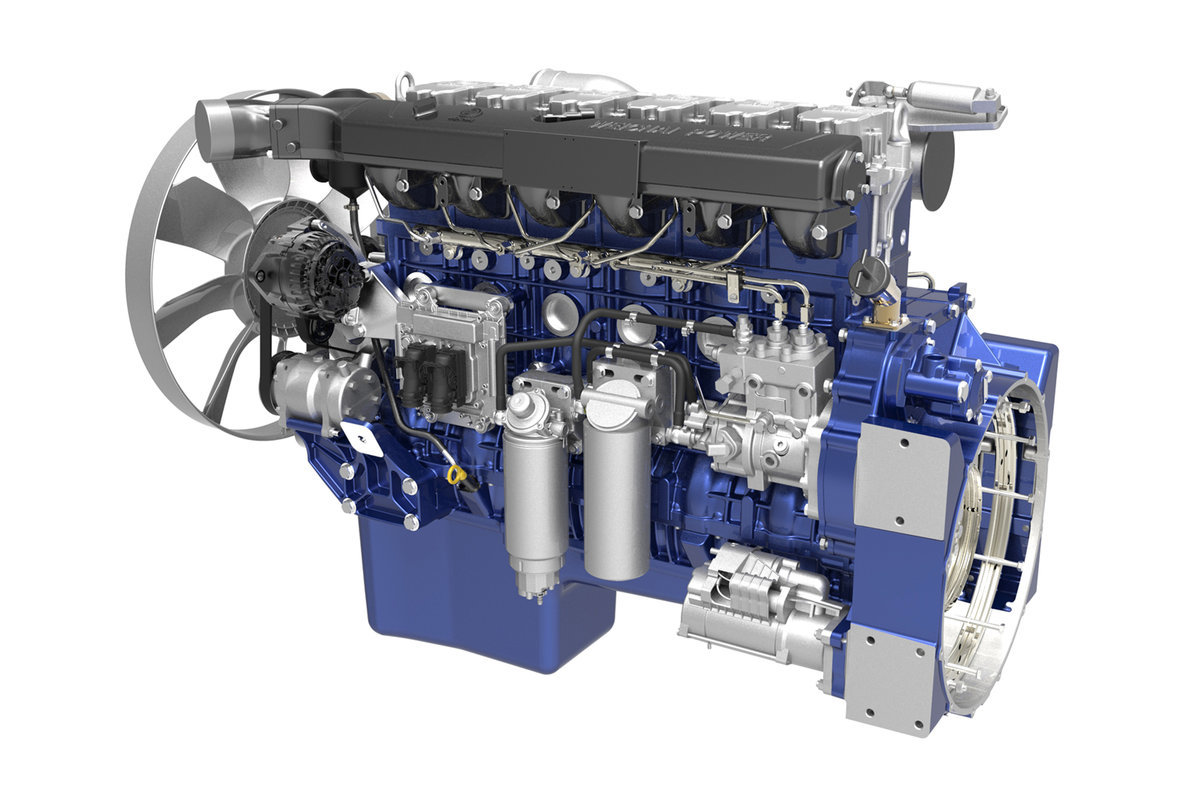
Electronic control system structure
In the "common rail" accumulator injection system, the pressure generation and fuel injection are completely separated. Injection pressure is independent of engine speed and fuel injection volume. The fuel is stored at a certain pressure in a high-pressure accumulator (the so-called "common rail"), which is always ready for injection. The amount of fuel injection is determined by the driver, and the injection starting point, in the "common rail" accumulator injection system, the pressure generation and fuel injection are completely separated. Injection pressure is independent of engine speed and fuel injection volume.
Fuel control principle
The fuel is stored at a certain pressure in a high-pressure accumulator (the so-called "common rail"), which is always ready for injection. The amount of fuel injection is determined by the driver, and the injection starting point, injection duration and injection pressure are calculated by the ECU (electronic control unit). The ECU then triggers the solenoid valve, causing the injector (fuel injection unit) of each cylinder to spray accordingly.
ECU control unit
The control center of the electronically controlled engine receives the engine operation information transmitted by the sensors, and controls the operation of the actuators after calculation and processing. The ECU also contains a monitoring module.
High pressure oil pump is diesel fuel through the injection pipe, injector and other mist into nearly 60 atmospheres of the body combustion chamber to produce combustion explosion for work, through the cylinder, piston connecting rod, crankshaft and other mechanisms to produce rotating power.
Common rail tube
Store high pressure to suppress fluctuations caused by oil supply and injection from the pump.
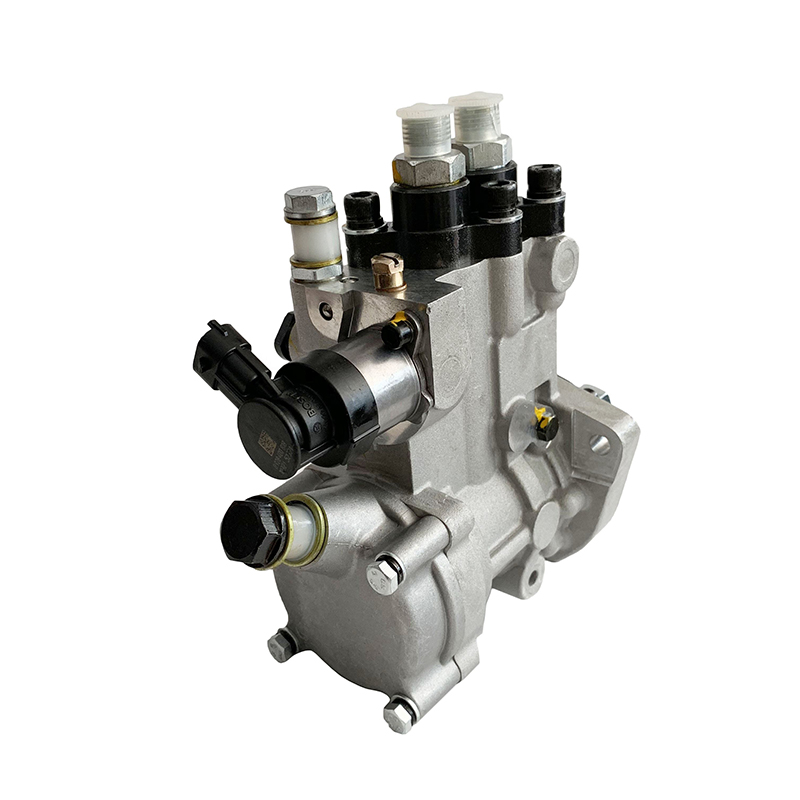
Crankshaft position sensor
Principle: electromagnetic induction
Functions: 1, crankshaft (engine) speed 2, cylinder top dead center position
1, permanent magnet 2, sensor housing 3, engine cover 4, soft core 5, coil 6, sensing coil
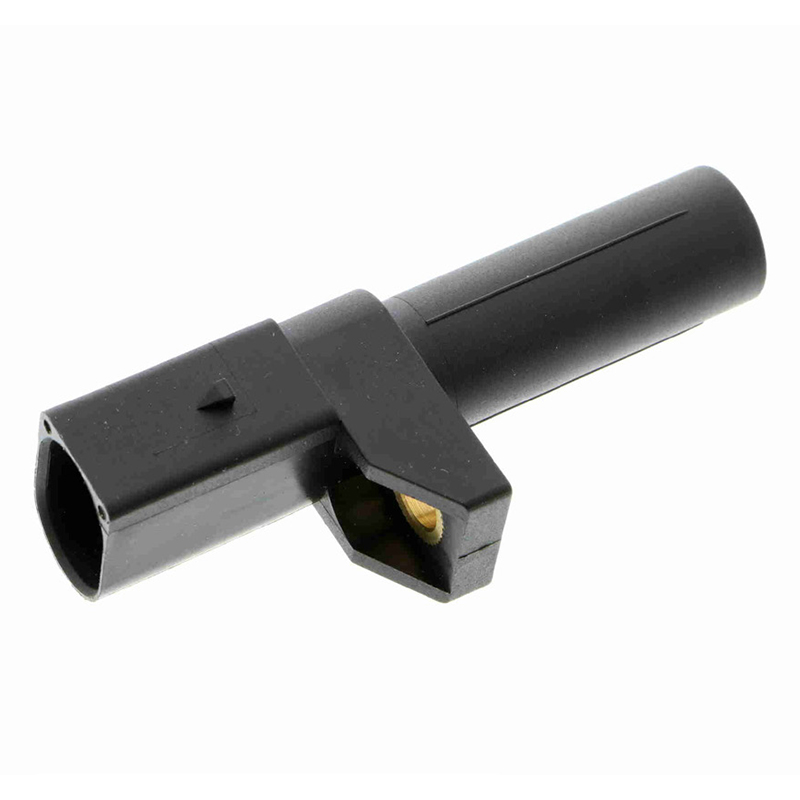
Camshaft position sensor
Principle: Hall effect
Phase determination: The camshaft is mounted with a tooth made of ferromagnetic material, which rotates with the camshaft. When the tooth passes through the semiconductor membrane of the camshaft sensor, its magnetic field deflects the electrons in the semiconductor membrane in the direction perpendicular to the current flowing through the membrane. A short voltage signal (Hall voltage) is generated, which tells the ECU that a cylinder has entered the compres